
The Best Grinder for Herbs: A Complete Guide
30th Aug 2025
When you're searching for the best grinder for herbs, the choice often boils down to two main camps: the tactile, all-around utility of a manual 4-piece metal grinder or the effortless speed of an electric one. For most people, a well-crafted 4-piece grinder made from aircraft-grade aluminum hits the sweet spot—it delivers a sublime, consistent grind and is built to be a reliable companion for years.
Why a Great Grinder Is Your Most Essential Tool
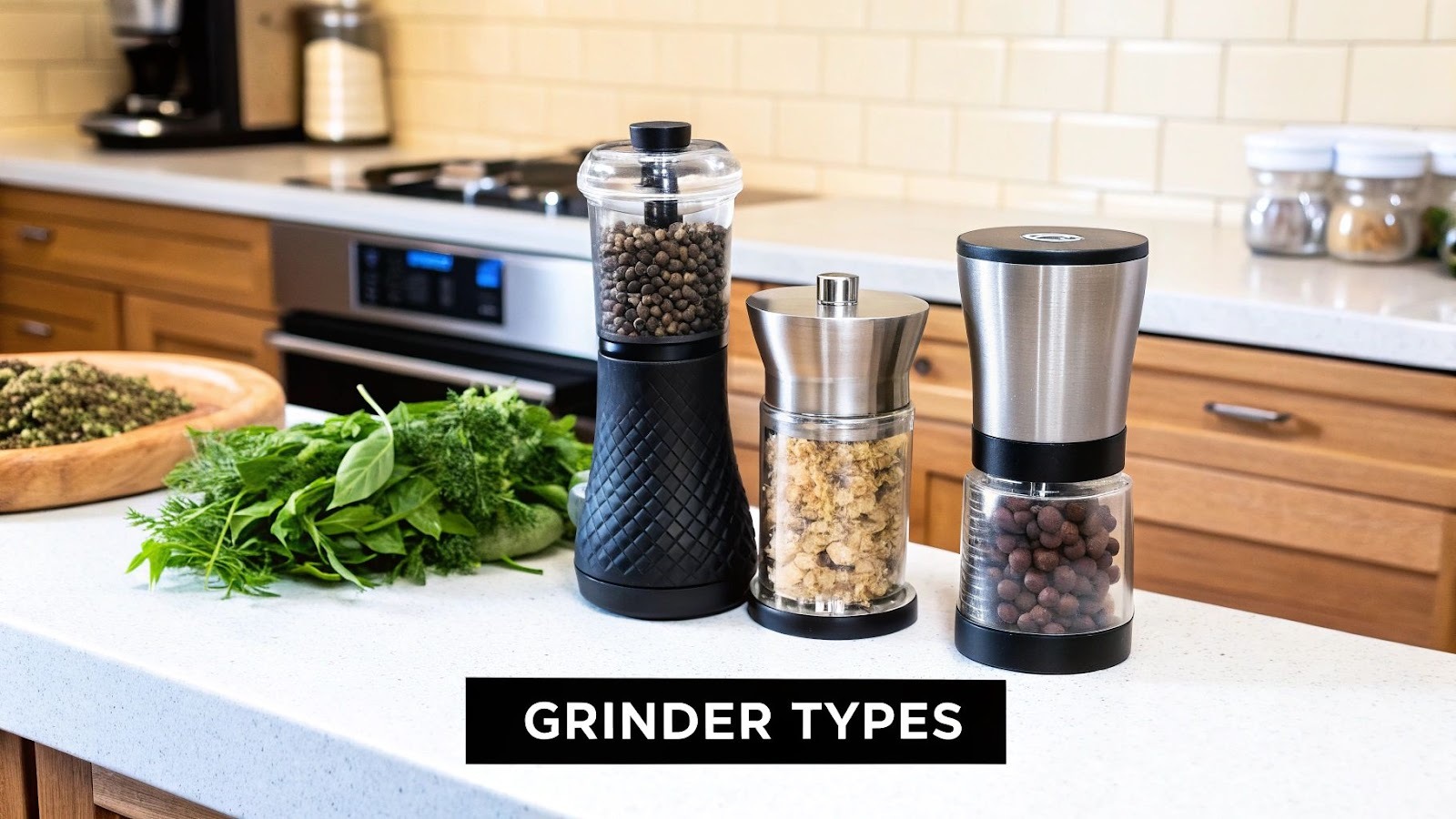
If you're looking for the single biggest upgrade you can make to your daily ritual, this is it. A great herb grinder is the key to unlocking richer flavor, more vibrant aroma, and flawless consistency—whether you're prepping culinary herbs for a new recipe, preparing loose-leaf tea, or grinding cannabis.
Imagine taking dense, clumpy plant material and, with just a few effortless twists, transforming it into something light, fluffy, and perfectly uniform. That’s the magic of a great grinder. By creating more surface area, it ensures your herbs are used more evenly and efficiently, elevating every experience.
Unlocking a Better Experience
A quality grinder doesn't just break down your herbs; it refines them into their best possible state. This guide is here to walk you through everything, from the most basic 2-piece models to innovative electric options, so you can feel confident in choosing the perfect tool for your needs.
To get started, here’s a quick overview of the most common styles you'll encounter.
- 2-Piece Grinders: The original, no-frills design. It’s just a top and a bottom piece lined with teeth. You twist, open it up, and your ground herbs are ready. Simple, direct, and effective.
- 3-Piece Grinders: These add a convenient storage chamber right below the grinding section. It's a thoughtful upgrade that keeps your ground material neatly contained and ready for use.
- 4-Piece Grinders: The enthusiast's choice, and for good reason. They feature a grinding chamber, a collection chamber, and a third compartment at the bottom with a fine mesh screen to catch potent pollen, or "kief."
- Electric Grinders: The ultimate in convenience. Ideal for anyone who needs to grind a lot of material quickly or for those who might find manual twisting difficult. They deliver a perfect grind with the simple press of a button.
Choosing the right grinder is really about matching the tool to your lifestyle. Think about how often you'll use it, where you'll use it, and the results you're after. A grinder that fits your needs will make your daily ritual so much better and can be a reliable companion for years.
Herb Grinder Types At a Glance
To make it even easier to see how these types stack up, here’s a quick comparison. This table highlights their core differences to help you zero in on the style that's right for you.
|
Grinder Type |
Best For |
Pros |
Cons |
|
2-Piece |
Simplicity, portability, and quick grinds. |
Compact, easy to carry, affordable, and straightforward. |
No storage; can be a bit messy. Grind can be less consistent. |
|
3-Piece |
Everyday users who want built-in storage. |
Adds a convenient collection chamber for ground herbs. |
Slightly bulkier than a 2-piece model. No kief catcher. |
|
4-Piece |
Enthusiasts who want maximum efficiency and kief collection. |
Collects potent kief, provides great storage, offers a consistent grind. |
More parts to clean, larger, and more expensive. |
|
Electric |
Speed, convenience, and users with limited dexterity. |
Effortless, fast, and produces a very uniform grind. |
Requires batteries or charging, more expensive, can be loud. |
Ultimately, whether you pick a simple 2-piece for your travel kit or a feature-rich 4-piece for your home setup, understanding these basics ensures you're making an informed choice.
How Does an Herb Grinder Actually Work?
It might look simple on the outside—put herbs in, twist, and you’re done—but a good grinder is a marvel of small-scale engineering. The goal isn't just to chop things up; it's to create the perfect texture for a smooth, consistent experience. Understanding how it all comes together is the first step in picking the right one.
Think of it as a tiny, highly specialized food processor. The heart of the machine is the grinding chamber, which houses two sets of sharp, interlocking teeth. As you twist the lid, these teeth glide past each other, shredding and slicing the herb into a uniform, fluffy consistency. This process is key because it avoids crushing the material into dust, which would restrict airflow and mute the flavor.
The Anatomy of a Modern Grinder
While the core concept is the same across the board, grinders come in a few different configurations, each adding a new layer of convenience.
The most basic is the 2-piece grinder. It's just a top and a bottom piece that fit together to form the grinding chamber. You grind, open it, and dump the contents out. Simple and effective.
Then you have the 3-piece grinder, which adds a separate collection chamber. Once the herbs are ground, they fall through small holes into this second compartment. This is a nice upgrade because it keeps the ground material separate from the teeth, making it much easier to gather.
A 4-piece grinder is like a multi-stage sorting system. It separates your herbs by size and potency, ensuring you get the most out of your material with every single use.
The real fan favorite, though, is the 4-piece grinder. This design takes it one step further by placing a fine mesh screen at the bottom of the collection chamber. As your ground herbs sit there, the most potent, tiny crystals (often called kief) sift through the screen and collect in a dedicated compartment at the very bottom. It's an ingenious system that doesn't just grind your herb—it sorts it, saving the most concentrated part for later.
This infographic lays out exactly why that mechanical process is so important.

As you can see, a better grind leads directly to better flavor and efficiency. Every piece, from the shape of the teeth to the mesh of the screen, is designed to work in harmony. It’s this thoughtful design that elevates a grinder from a simple accessory to an absolutely essential tool.
Choosing Your Grinder Material: Metal, Plastic, or Wood?
The material your grinder is made from is about way more than just looks—it defines its entire character. From the reassuring weight in your hand to how smoothly it turns, the material dictates the whole experience. Whether you land on metal, plastic, or wood will directly impact durability, performance, and even how you clean the thing.
It’s a bit like picking out cookware. You might go for a heavy cast-iron skillet for its incredible heat retention and heirloom quality, or you might prefer a lightweight non-stick pan for sheer convenience. The best grinder is the one that fits your lifestyle, whether that means prioritizing toughness, portability, or pure aesthetics.
And it's a big market. Valued at around USD 1.236 billion in 2023, the global herb grinder scene is expected to grow to about USD 2.045 billion by 2030. That growth is all about us—the consumers—demanding better, more diverse options. You can discover more about herb grinder market trends to see how things are evolving.
The Metal Standard
When it comes to durability and performance, metal grinders are the undisputed champs. Most of the really good ones are machined from materials like aircraft-grade aluminum or stainless steel, both famous for their strength and ability to take a beating.
- Longevity: A solid metal grinder isn't just a purchase; it's an investment. It can easily last for years, shrugging off drops and daily use without a problem.
- Precision: Thanks to CNC machining, the teeth are razor-sharp and the pieces thread together perfectly. This gives you a smooth, effortless grind every single time.
- Performance: The combination of weight and sharp teeth delivers that consistently fluffy grind that burns better and tastes great.
The only real knock against them is their weight. They can be a bit heavy for pocket-carry, but for home use, their reliability is second to none.
The Plastic and Acrylic Option
Plastic and acrylic grinders are all about being lightweight, affordable, and convenient. They're the perfect choice for a beginner or for a travel grinder you won't cry over if you lose it.
Sure, they won't last forever like a metal one, and their teeth can get dull with use, but they absolutely get the job done. They're cheap to replace and come in a wild variety of colors and designs, making them a fun, no-fuss option for grinding on the move.
The Wooden Classic
There's just something about a wooden grinder. They have a timeless, natural vibe that a lot of people are drawn to, feeling warm and organic in your hand for a more old-school, tactile experience. Most use steel pins for teeth, blending that classic style with modern function.
The choice of material is a personal one. It’s about deciding what matters most to you: the bulletproof reliability of metal, the grab-and-go ease of plastic, or the classic appeal of wood. Each has its own distinct personality.
Wood does have its quirks, though. It can be tougher to clean since the porous surface can hang onto residue and smells over time. They demand a bit more care, but the tradeoff is a uniquely stylish and satisfying tool.
Manual vs. Electric: What's the Right Grinder For You?
So you’ve decided to get a grinder. Great! Now you’re at the first major fork in the road: do you want the hands-on control of a manual grinder or the simple, push-button power of an electric one?
This isn't just about how the herb gets ground; it’s about the entire experience you want to have. Each type has a totally different vibe and its own set of strengths.
The Old-School Ritual vs. Modern-Day Results
On one hand, you have the classic manual grinder. There’s something deeply satisfying about the tactile connection you get from twisting it yourself. You feel the teeth bite, hear the herbs break down, and have absolute control over the final consistency, from coarse to fine. For a lot of people, this simple, deliberate act is a cherished part of their routine.
On the other hand, electric grinders are built for speed, consistency, and ease of use. They’re a fantastic solution for anyone who finds twisting difficult due to arthritis or other dexterity issues. They're also a lifesaver if you need to grind a larger amount of herb quickly. With an electric model, a perfectly even grind is literally just seconds away.
Think of it like making coffee. A manual grinder is the French press—it takes a little hands-on effort, but the process itself is rewarding. An electric grinder is the high-end espresso machine, giving you a perfect, repeatable result with almost zero effort.
This very choice is a huge driver in the industry. The herb grinder market was valued at around USD 1.5 billion in 2024 and is expected to climb to USD 2.3 billion by 2033. Why? Because people are looking for both precision and convenience, which is pushing companies to innovate with powerful electric models and smarter manual designs. You can dig into the numbers and read the full analysis on the herb grinder market to see how these trends are playing out.
Manual vs Electric Grinder Showdown
To really see which path is right for you, let’s put them head-to-head. This table breaks down the core differences so you can find the perfect match for your lifestyle.
|
Feature |
Manual Grinder |
Electric Grinder |
|
Control |
Total hands-on control. You can feel the grind and stop when it's perfect. |
Fast and uniform. Less control over texture variations. |
|
Portability |
Fantastic. Small, lightweight, and needs no power. Toss it in your bag and go. |
Limited. Needs batteries or an outlet, and they're usually bulkier. |
|
Noise Level |
Super quiet. Just a gentle, satisfying grinding sound. |
Can be surprisingly loud, much like a small coffee grinder. |
|
Maintenance |
Easy. A quick scrub with a brush and some isopropyl alcohol does the trick. |
More involved. Blades and chambers can be tough to clean properly. |
|
Price |
Generally much more affordable, with great options at every price point. |
Higher price tag due to motors, blades, and electronic components. |
|
Best For |
Everyday users, travelers, and anyone who enjoys the hands-on ritual. |
Medical users, people with dexterity issues, or high-volume grinding. |
At the end of the day, the right grinder is the one that fits your life.
The best grinder for your herbs is simply the one you'll actually enjoy using. Whether that's the quiet simplicity of a manual twist or the powerful hum of an electric motor, the right choice just makes the whole experience better.
Features That Separate Good Grinders From Great Ones
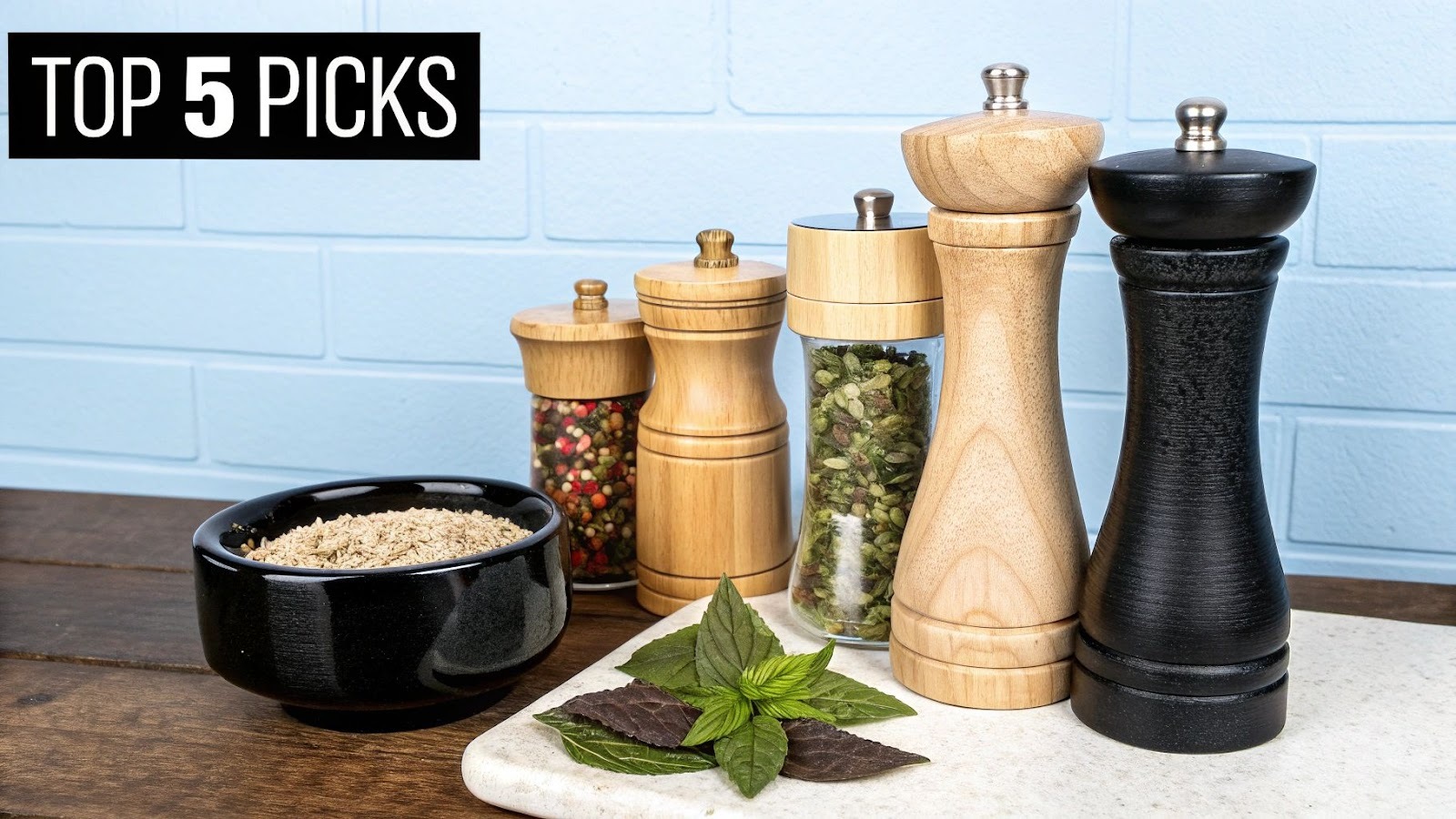
When you start shopping for a grinder, it’s the little details that really separate the okay from the outstanding. These features might not jump off the page, but they make a huge difference in your day-to-day experience, making every grind smooth, easy, and effective.
Think of these as the upgrades that turn a basic tool into a reliable, long-term investment. Once you know what to look for, you'll be able to spot a quality grinder from a mile away and pick one that's built to last.
The Power of Precision Teeth
The teeth are the heart and soul of any grinder, and their shape is everything. Most budget grinders use simple, peg-style teeth that have a tendency to mash and crush your herbs instead of cutting them. This often leaves you with a dense, uneven grind that doesn't burn properly.
This is where high-quality grinders pull ahead. They feature sharp, diamond-cut teeth designed to slice cleanly through the material. The result is a light, airy, and perfectly fluffy consistency that preserves the integrity of your herbs and maximizes the surface area for a far better experience.
"A great grinder shreds, it doesn't pulverize. The difference is in the final texture—fluffy and uniform versus dense and dusty. That texture is what unlocks the best flavor and aroma."
It's like the difference between dicing an onion with a razor-sharp chef's knife versus smashing it with a hammer. One gives you a clean cut, the other a pulpy mess. That superior shredding action is arguably the single most important reason to invest in a quality grinder.
Keeping It Together with Strong Magnets
There's nothing worse than a grinder lid with a weak magnet. One little bump, and your freshly ground herbs are suddenly all over your coffee table or, even worse, the floor. Premium grinders solve this problem with powerful neodymium magnets.
These aren't your typical fridge magnets. They create a solid, satisfying snap when you close the lid, sealing the chamber tightly to keep everything secure and the aromas locked in. These rare-earth magnets are also typically triple-coated to fight off corrosion, so that secure seal will last for years.
The Secret to a Silky Smooth Turn
Have you ever used a grinder that squeaks and grinds against itself with every twist? That gritty, metal-on-metal scraping isn't just annoying; it creates friction that can lead to tiny metal shavings getting into your herb over time.
The best grinders have an elegant solution: a nylon or polymer friction ring. This thin, simple ring sits between the lid and the body, creating a buttery-smooth turning action that feels effortless.
- Prevents Sticking: The ring ensures the lid glides without catching or binding.
- Reduces Wear: It eliminates direct metal-on-metal contact, preserving the grinder.
- Feels Premium: It makes every twist feel controlled and smooth.
It’s a subtle touch but a true sign of a well-designed tool. This small feature dramatically improves how the grinder feels in your hands and adds to its longevity, making sure the thousandth grind is just as smooth as the first.
Keeping Your Herb Grinder in Top Shape
A great grinder is an investment. You bought it for the perfect, consistent grind it delivers, and with a little TLC, it can serve you well for years to come. But over time, all that sticky plant resin and residue will start to build up, making it tough to turn and gumming up the delicate kief screen.
Think of it like tuning up any precision tool. Regular cleaning is the secret to keeping your grinder spinning smoothly. Not only will it work better, but it also means every grind is as fresh and flavorful as the very first one. A few minutes of maintenance can bring back that effortless twist you loved on day one.
The Easiest Way to a Squeaky-Clean Grinder
You'd be surprised how simple it is to get your grinder looking brand new. For most metal or plastic models, a quick soak is all you need to dissolve even the most stubborn gunk.
- Take It Apart: First things first, disassemble your grinder into its individual pieces.
- Give It a Bath: Place all the metal or plastic parts into a small container and cover them with 91% isopropyl alcohol. Let everything soak for about 20-30 minutes.
- Rinse and Dry: Once the soak is done, rinse each piece well with hot water. You’ll see the residue just melt away. Let them air dry completely before putting your grinder back together.
A word of caution for wooden grinders: never soak them. The liquid can damage the wood. Instead, grab a small, stiff brush and a pick to gently scrape away any buildup.
Pro Tip: Got a grinder that's completely stuck? Pop it in the freezer for about 30 minutes. The cold makes the resin brittle and causes the metal to contract just slightly, which is often enough to help you unscrew it without a fight.
This simple cleaning ritual really pays off. When you keep the threads clean and the screen clear, you’re doing more than just extending the life of your tool—you’re ensuring a perfect grind and preserving the pure taste of your herbs every single time.
Still Have Questions? Let's Clear Things Up
Even with all the details covered, a few practical questions almost always pop up when you're getting ready to pick out a grinder. Let's tackle the most common ones we hear, giving you the straightforward answers you need to make your choice.
What Size Grinder Should I Get?
The best size for you boils down to how you'll be using it. There's no single right answer, just what's right for your routine.
- Small (1.5-2 inches): Perfect for solo sessions and an absolute champion of portability. These grinders are small enough to disappear into a pocket or bag.
- Medium (2.2-2.5 inches): This is the sweet spot and the most popular size for good reason. It holds enough herb for a few sessions but isn't a hassle to carry around.
- Large (3 inches+): If you're the designated grinder for your group or you just like to prep a lot at once, a large grinder is a lifesaver. It plows through bigger amounts with ease.
What Is Kief and How Do I Collect It?
Ever notice that sparkly, dust-like stuff on your herbs? That's kief—a potent collection of trichomes that fall off during grinding. To catch this magic dust, you'll need a 4-piece grinder.
These grinders have a special chamber at the very bottom, separated by a fine mesh screen. As you grind, the finest, most potent particles sift through the screen and collect in this dedicated tray. Over time, you build up a powerful stash that you can add back to your herbs for an extra boost.
Think of kief as the concentrated essence of your herb. A grinder designed to collect it makes sure you're not wasting a single bit of the good stuff.
Is a More Expensive Grinder Actually Better?
Honestly, in most cases, it really is. A higher price usually means you're paying for better materials like aircraft-grade aluminum, sharper teeth, stronger magnets, and more precise engineering. All of that adds up to a grinder that turns effortlessly, produces a perfect, fluffy consistency, and will stand up to years of use.
A cheap acrylic grinder might get the job done for a little while, but a quality metal grinder is an investment. It's a tool that not only works better but one you won't have to replace.
Ready to find the perfect grinder to elevate your routine? Inline Vape offers a curated selection of top-quality grinders designed for performance and durability. Explore our collection and find the ideal tool to unlock the full potential of your herbs at https://www.inlinevape.com.
Nicotine is an addictive chemical. Content intended for adults 21+.